





 |
The world of anime is filled with iconic franchises, but few have had as profound an impact as the Gundam series. For over four decades, this beloved franchise has been thrilling audiences with its epic space battles, complex characters, and of course, the majestic mobile suits that have become synonymous with the genre. As we take a nostalgic look back at the history of Gundam, it's clear that its influence extends far beyond the screens of Japanese televisions, resonating with fans across the globe. From its humble beginnings in the late 1970s to its current status as a cultural phenomenon, the Gundam franchise has left an indelible mark on the world of pop culture.
Introduction to Gundam
 |
The first Gundam series, "Mobile Suit Gundam," premiered in Japan in 1979 and was created by Yoshiyuki Tomino and Sunrise. The show was set in a futuristic universe where humanity had colonized space, and followed the story of Amuro Ray, a young pilot who becomes the key to the Earth Federation's struggle against the Principality of Zeon. The series was initially met with modest success, but its popularity grew rapidly as it began to gain a loyal fan base. The show's unique blend of science fiction, action, and drama, combined with its innovative use of mecha designs, helped to establish the Gundam franchise as a major player in the world of anime. As the series gained momentum, it became clear that Gundam was more than just a show - it was a cultural phenomenon that would go on to inspire countless fans around the world.
I still remember watching the first episode of Gundam as a kid and being blown away by the sheer scale of the mobile suits. Who wouldn't want to pilot a giant robot and save the world? It's a feeling that's hard to describe, but it's a mix of excitement, awe, and a dash of nostalgia that has stayed with me to this day.
Early International Broadcast
 |
As the popularity of Gundam continued to grow in Japan, the series began to make its way to international audiences. The first country to broadcast Gundam outside of Japan was Italy, where it premiered in 1980. The series was later introduced to other European countries, as well as North America, where it gained a small but dedicated fan base. However, the process of translating and dubbing the series for foreign audiences was not without its challenges. The show's complex storyline and technical jargon often made it difficult for translators to convey the nuances of the original dialogue, and the resulting dubs were sometimes met with criticism from fans. Despite these challenges, the early international broadcasts of Gundam helped to lay the groundwork for the franchise's global popularity, and paved the way for future generations of fans to discover the series.
The Rise of Fan Culture
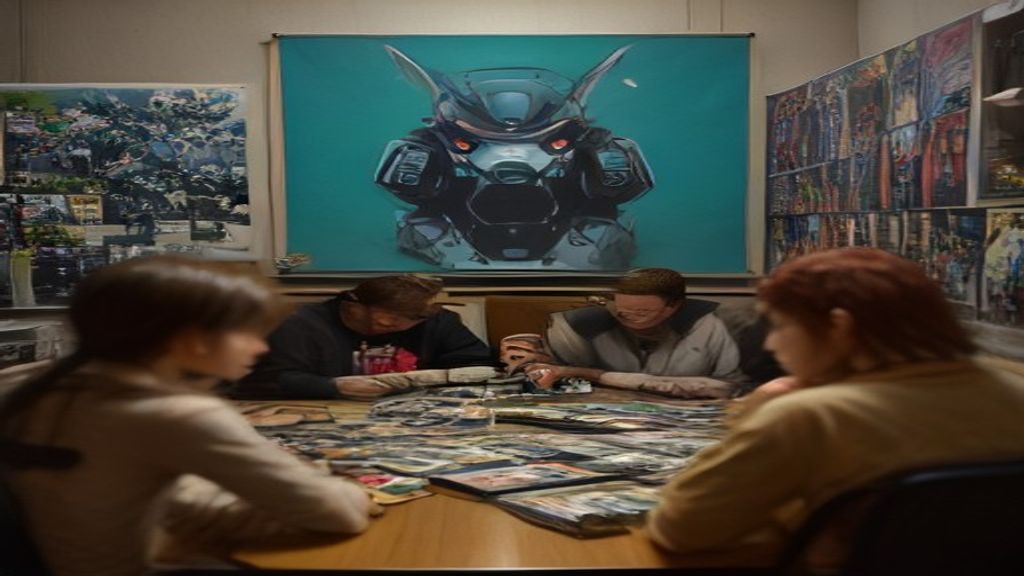 |
The 1980s and 1990s saw a significant surge in Gundam's popularity, as the franchise began to gain a massive following around the world. Fans of the series began to organize themselves into clubs and communities, where they could share their love of the show with like-minded individuals. Conventions and fan events became increasingly popular, with fans gathering to showcase their cosplay, fan art, and model kits. The rise of fan culture surrounding Gundam was a testament to the series' ability to inspire and connect with its audience, and helped to establish the franchise as a major player in the world of pop culture. As fans began to create their own content, including fan fiction, fan art, and music, it became clear that Gundam had transcended its origins as a simple anime series, and had become a cultural phenomenon that would continue to evolve and grow for years to come.
I've been to my fair share of anime conventions, but there's something special about a Gundam convention. Maybe it's the sheer scale of the models on display, or the enthusiasm of the fans, but there's an energy in the air that's hard to find anywhere else. And let's be real, where else can you find a group of adults enthusiastically debating the merits of the RX-78-2 versus the MSZ-006 Zeta Gundam?
Home Video and Streaming
 |
The advent of home video formats like VHS and DVD revolutionized the way fans consumed Gundam, allowing them to watch and re-watch their favorite episodes at home. The release of Gundam on home video helped to further popularize the series, as fans could now share their love of the show with friends and family. The rise of streaming services in the 2000s and 2010s took this to the next level, making it possible for fans to access the entire Gundam franchise from the comfort of their own homes. Streaming services like Crunchyroll and Funimation have played a significant role in popularizing Gundam worldwide, providing fans with access to a vast library of episodes, movies, and spin-offs. The impact of home video and streaming on the Gundam franchise has been profound, helping to introduce the series to new generations of fans and cement its place as a cultural phenomenon.
Dubbing and Localization
The process of dubbing Gundam into different languages has been a complex and often challenging one. The series' technical jargon and complex storyline have made it difficult for translators to convey the nuances of the original dialogue, and the resulting dubs have sometimes been met with criticism from fans. However, there have also been notable examples of successful dubs, such as the English dub of "Mobile Suit Gundam Wing," which was widely praised by fans for its faithfulness to the original material. The localization of Gundam for various markets has also been an important factor in the series' global success, as the franchise has been adapted to suit the tastes and preferences of different cultures. From the edited versions of the series that aired on American television to the subtitled releases that have become popular among fans, the localization of Gundam has played a significant role in its worldwide popularity.Influence on Global Pop Culture
The influence of Gundam on global pop culture is impossible to overstate. The series' iconic mecha designs and characters have been referenced and parodied in countless other works, from anime and manga to films and video games. The franchise's impact can be seen in everything from the Power Rangers to the movie "Pacific Rim," and its influence extends far beyond the world of science fiction. The series' themes of friendship, sacrifice, and the struggle between good and evil have resonated with audiences around the world, and its characters have become cultural icons. As the franchise continues to evolve and grow, it's clear that its influence will be felt for generations to come.Who can forget the first time they saw the RX-78-2 in action? It's a moment that's been parodied and referenced countless times in popular culture, from the aforementioned Power Rangers to more obscure references in shows like "The Simpsons." But despite all the parodies and references, there's still something special about watching the original series, and experiencing the magic of Gundam for the first time.
Legacy and Revival
Today, the Gundam franchise is more popular than ever, with new series, films, and merchandise being released on a regular basis. The franchise has been reimagined and reinvigorated for new generations of fans, and its legacy continues to inspire and influence creators around the world. From the critically acclaimed "Mobile Suit Gundam Unicorn" to the more recent "Mobile Suit Gundam: The Origin," the franchise has continued to evolve and grow, introducing new characters and storylines while remaining true to its roots. As we look back on the history of Gundam, it's clear that the franchise has left an indelible mark on the world of pop culture, and its influence will be felt for generations to come. Whether you're a longtime fan or just discovering the series, there's never been a better time to experience the magic of Gundam. As we close this nostalgic look back at the history of Gundam, it's clear that the franchise has come a long way since its humble beginnings in the late 1970s. From its early days as a modestly successful anime series to its current status as a cultural phenomenon, Gundam has left an indelible mark on the world of pop culture. As we look to the future, it's exciting to think about what's next for the franchise, and how it will continue to inspire and influence creators and fans around the world. One thing is certain, however - the legacy of Gundam will endure, a testament to the power of science fiction to inspire and connect us all.Enjoyed this trip down memory lane?
Like it, drop a comment sharing your own memories of the topic, and share it with someone who'll get nostalgic too!
This article is cultural, historical and opinion-based content, for entertainment and nostalgia purposes.

No comments: